
Timothy J. Buckley
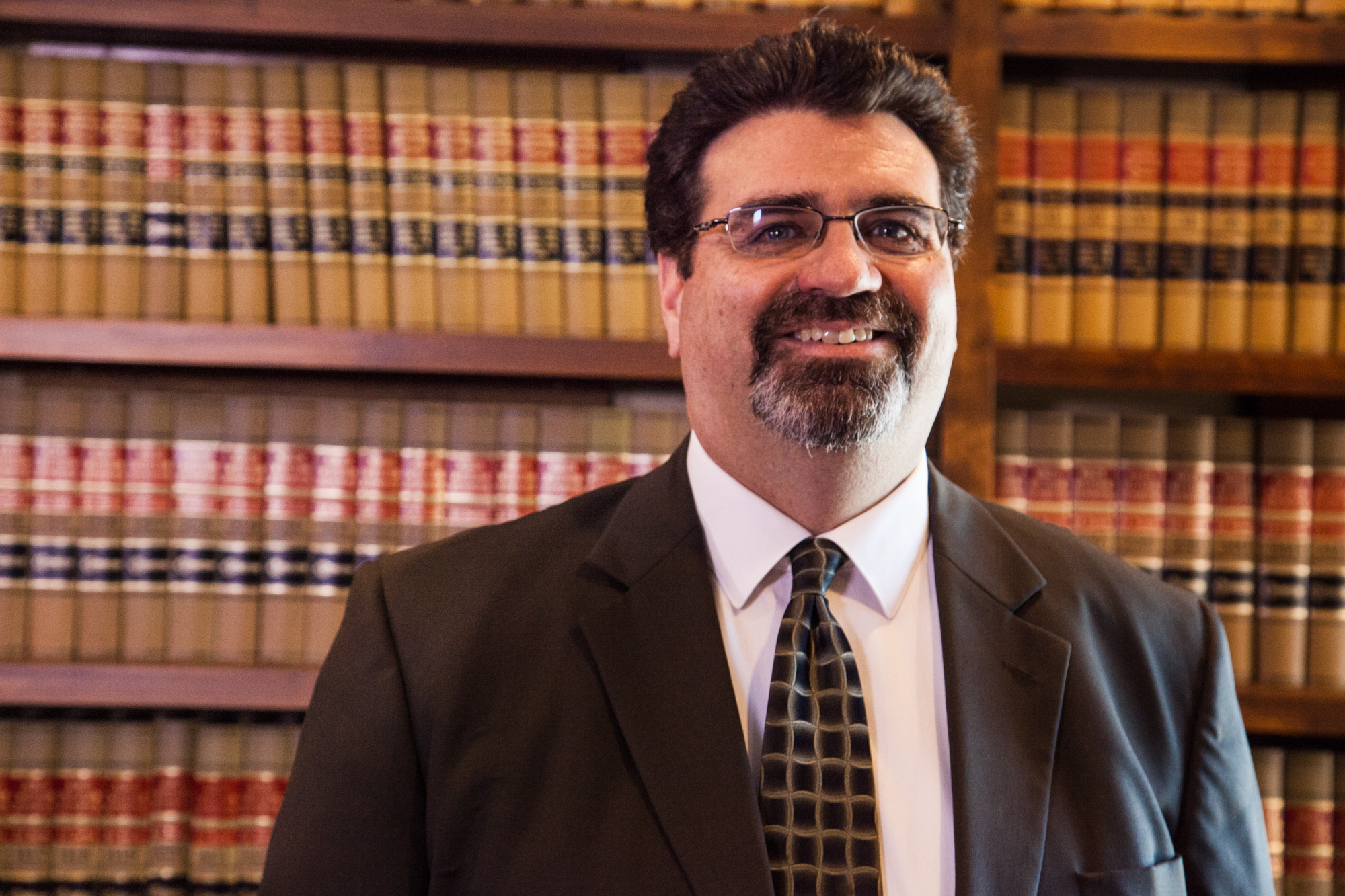
Timothy J. Buckley graduated from Creighton University School of Law in 1996. Prior to graduation, he worked as an intern for the Honorable Theodore L. Carlson, District Court Judge in Douglas County, Nebraska. Mr. Buckley then worked as Law Clerk to the Honorable C. Thomas White, Chief Justice of the Nebraska Supreme Court.
He also served as a Deputy Douglas County Attorney in the office’s Civil Division where he advised the county’s elected officials and department heads on numerous legal issues and represented the county in litigation involving real estate valuation, personnel matters, inheritance tax determinations, mental health commitment hearings and tort claims. Mr. Buckley’s areas of practice focus on municipal law, estate planning, probate and trust administration.
Areas of Practice
Municipal Law
Estate Planning
Probate
Appeals and Civil Litigation
Bar Admissions
Nebraska, 1996
U.S. District Court District of Nebraska, 1996
U.S. Court of Appeals 8th Circuit, 1999
Education
- Creighton University School of Law, Omaha, Nebraska
- J.D. – 1996
- William Allen White School of Journalism and Mass Communications at the University of Kansas, Lawrence, Kansas
- B.S.J. – 1988
- Major: Journalism
Representative Clients
City of Bellevue, Nebraska
Classes/Seminars
Nebraska Inheritance Tax – CLE Presentation, Nebraska State Bar Association, 1999
Past Employment Positions
- Morrow Law Partners, Associate Attorney, 2000 – 2007
- Douglas County Attorney’s Office, Deputy County Attorney, 1997 – 2000
Pro Bono Activities
Volunteer Lawyers Project of Nebraska State Bar Association
Ancillary Businesses
Tax Preparation in Conjunction with Estate & Trust Administration
Fraternities
Sigma Phi Epsilon
Contact the Firm
Family Law
Information Center
The information on this website is for general information purposes only. Nothing on this site should be taken as legal advice for any individual case or situation. This information is not intended to create, and receipt or viewing does not constitute, an attorney-client relationship.